Understanding the Stop Loss: A Shield Against Unpredictability
The Essence of a Stop Loss
At its core, a stop loss is a predefined point at which a trader decides to sell an asset to limit losses. It serves as a safety net, automatically executing a market order when the asset's price hits a specified level. This disciplined approach is fundamental to risk management, acting as a safeguard against the inherent uncertainties of the crypto market.
Emotions can run high in the world of crypto trading, where price fluctuations are swift and unpredictable. Placing a stop loss removes the element of emotional decision-making during market downturns. It is a predetermined action, executed without hesitation, preventing traders from succumbing to panic or holding onto losing positions in the hope of a miraculous turnaround.
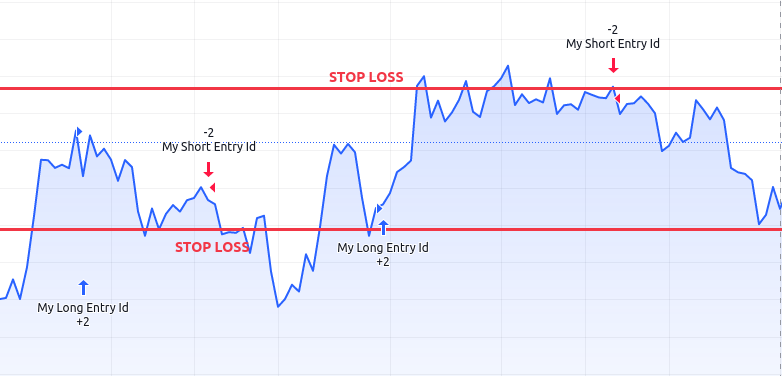
In illiquid markets, where price gaps are more common, placing stop losses can pose challenges. Traders need to consider the liquidity of the asset and adjust their stop loss strategy accordingly to avoid excessive slippage
Day Trading
For day traders executing multiple trades within a single day, the importance of a stop loss is magnified. In the fast-paced environment of day trading, market conditions can change swiftly. A well-placed stop loss ensures that any losses incurred are controlled, preserving capital for future trades.
Swing Trading
In the realm of swing trading, where positions are held for a few days to weeks to capture medium-term trends, a stop loss acts as a safety valve. It protects traders from prolonged downturns, allowing them to exit positions if the market takes an unexpected turn, thus preventing significant capital erosion.
Position Trading
Position traders, with a longer-term perspective spanning weeks, months, or even years, also benefit from the strategic application of stop losses. While the time horizon may be extended, unexpected market events can still pose risks. Placing a stop loss ensures that even in a long-term strategy, capital is shielded from drastic declines.